Retro Happy: A Groovy Font for Polished Branding
It was a quiet Tuesday morning when I sat down to update the packaging for my small bakery’s new line of vegan cookies. The old labels felt outdated, and I needed something fresh that would catch the eye but still feel warm and inviting. That’s when I stumbled upon Retro Happy, a display font that immediately made me rethink my entire branding approach.
A Font with Personality
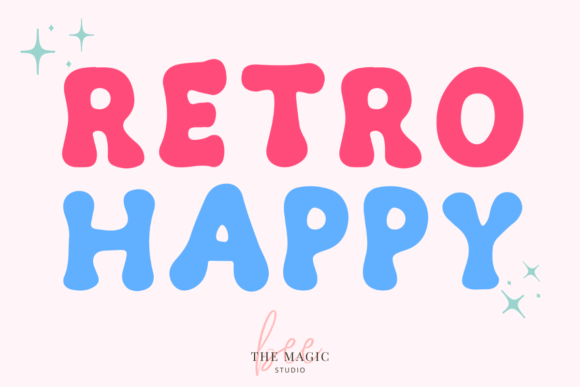
Retro Happy is more than just a font—it’s a mood. With its playful curves and groovy vibe, it brings a sense of nostalgia and joy to any design. It has a softness that feels hand-drawn yet polished, making it perfect for businesses that want to stand out without sacrificing professionalism. This font isn’t just about looking good; it’s about feeling good too.
The style of Retro Happy is reminiscent of the 60s and 70s, with a modern twist that makes it feel current. It works well in both digital and print formats, and its character set includes all the necessary symbols and accents for a wide range of languages. As a creative consultant, I love how it can be used to create a unique brand voice that resonates with customers on an emotional level.
Real-World Applications for Small Businesses
I tested Retro Happy across several customer-facing materials, from product labels to Instagram posts. For the cookie boxes, I used it as the main title, pairing it with a clean sans serif font for the supporting text. The result was a label that looked fun yet trustworthy—exactly what I wanted for a health-focused brand.
On social media, I used Retro Happy for promotional graphics and captions. It added a touch of personality that helped my content stand out in a crowded feed. I even used it for thank-you cards sent to customers who left positive reviews. The font’s friendly tone made the message feel more personal and sincere.
For menus, I experimented with using Retro Happy for section headers like “Our Specials” or “Bakery Favorites.” It created visual interest without overwhelming the reader. When paired with a simple, readable font for the rest of the menu items, it balanced creativity with clarity.
Typography Tips for Business Owners
When using Retro Happy, it’s important to keep readability in mind. While it’s a display font, it shouldn’t be used for long paragraphs or small text. Instead, reserve it for headlines, logos, and decorative elements where it can shine without causing confusion.
Font pairing is another key consideration. Retro Happy pairs beautifully with a clean sans serif font like Helvetica or Arial for a modern look, or with a classic serif font like Georgia for a more elegant feel. For a whimsical touch, try combining it with a handwritten script font, but use it sparingly to avoid clutter.
Also, make sure to check the font’s file formats and licensing. Since I’m using Retro Happy for printed materials and digital downloads, having access to OTF and TTF formats was essential. The commercial license allowed me to confidently use it on product packaging and templates without any legal concerns.
Creating a Consistent Brand Identity
One of the biggest challenges for small businesses is maintaining a consistent brand identity across different platforms. Retro Happy helped me achieve this by serving as a unifying element throughout my branding materials. Whether it was on a bakery box, a website banner, or a thank-you card, the font created a cohesive look that customers could easily recognize.
Consistency builds trust, and Retro Happy played a role in that. Customers began to associate the font with quality and care, which subtly reinforced the brand’s values. Over time, this helped increase customer loyalty and engagement.
For other small business owners, I recommend starting with one or two key materials where Retro Happy can make the biggest impact. Use it consistently across those areas before expanding to other parts of your brand. This gradual approach ensures that your brand identity remains strong and recognizable.
In the end, Retro Happy wasn’t just a font—it became a part of my brand’s story. And that’s exactly what a great font should do: help you tell your story in a way that feels authentic, memorable, and visually appealing.